
How Cast Stone Is Reshaping The Future Of Architectural Renewal
- Apr 1
- 4 min read
Toby Marlow, Haddonstone's Building and Construction team director, discusses...
As the built environment confronts the twin pressures of climate responsibility and an ageing building stock, retrofitting has shifted from a niche intervention to a fundamental design imperative. Across cities and communities, architects are challenged to elevate the performance of existing structures while honouring the architectural narratives they embody. Retrofitting offers a powerful means of doing both - preserving embodied carbon, extending building life, and revitalising the character of properties and residential communities without resorting to demolition.
Traditionally, retrofit strategies have focused on technical enhancements: improved insulation, energy‑efficient glazing, renewable energy systems, and structural upgrades. These interventions remain crucial. However, a new chapter is emerging - one that places equal value on architectural integrity and aesthetic renewal. In this evolution, cast stone is proving to be a decisively transformative material.
The rise of architectural retrofitting: Beyond technical performance
While energy efficiency and safety have dominated retrofit conversations, the architectural quality of a building is inseparable from its long‑term value and cultural relevance. Many older properties have suffered from decades of piecemeal interventions, insensitive alterations, or simple neglect. Restoring architectural coherence is not only a matter of beauty; it is a strategy for elevating place identity, strengthening community pride, and enhancing commercial value.
Cast stone serves this agenda exceptionally well. Its versatility allows designers to retrofit façades with refined architectural elements - proportion, rhythm, framing, and detail - without the disruption or environmental cost of ground-up construction.
Haddonstone’s portfolio of architectural cast stone components - including window dressings, quoins, porticos, door surrounds, copings, pier caps, and steps - creates opportunities for thoughtful aesthetic enhancement across both traditional and contemporary contexts. These elements introduce legibility and elegance to existing façades, reinstating the architectural language that time or human intervention may have eroded.
The environmental case for cast stone
At a moment when the architectural profession is increasingly attuned to the carbon cost of construction, retrofitting stands as an environmentally responsible alternative to the waste and emissions associated with demolition and new build. Conserving existing structures preserves embodied carbon - an often overlooked but critical component of climate‑conscious design. Cast stone aligns seamlessly with this ethos.
Manufactured from natural reconstituted stone and engineered for durability, its longevity reduces the need for future replacements and minimises lifecycle environmental impact. Its performance in harsh weather conditions ensures installations remain resilient for decades, supporting a “repair less, maintain less, waste less” philosophy. Moreover, by enhancing the visual appeal and perceived value of existing buildings, cast stone encourages owners and developers to invest in conservation rather than replacement. In doing so, it strengthens the cultural and environmental case for retrofit-led development.
Reviving architectural heritage through precision replication
One of the most powerful applications of cast stone lies in its ability to restore lost architectural detail with remarkable accuracy. Many heritage or listed buildings have suffered the gradual disappearance of original features, whether through weathering, poor-quality replacements, or unsympathetic 20th‑century modernisation.
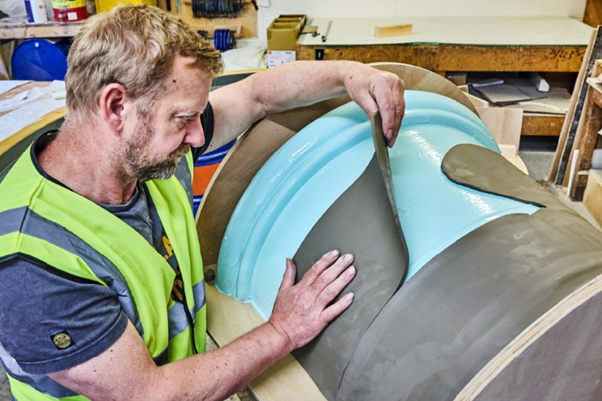
Through traditional mould‑making and advanced manufacturing expertise, Haddonstone can replicate intricate period details - from Georgian porches and porticos to Victorian window dressings, corbels and brackets - with faithful precision. This capability allows architects to repair or reinstate features that would otherwise be prohibitively expensive or impossible to reproduce in natural stone.
For conservation areas, retrofit programmes, or projects seeking to reintroduce historical character, cast stone acts as a bridge between original craftsmanship and modern performance demands. It enables sensitive restoration without compromising the structural or environmental goals of contemporary design.
Extending retrofit thinking to the landscape
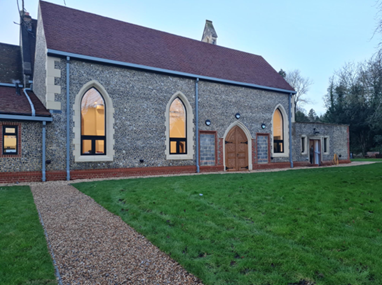
Retrofit opportunities extend beyond the building envelope. Cast stone also plays a pivotal role in harmonising architectural and landscape design. Architectural components such as porticos, surrounds, and quoins can dramatically reshape the identity of a building, imbuing entrances and façades with clarity and proportion. Landscape elements such as copings, steps, and pier caps introduce continuity and coherence across outdoor spaces, elevating the overall design language of the property. With a stylish palette of colours and material options, cast stone can be precisely matched to existing stonework or used to introduce contemporary contrast - making it suitable for both period and modern buildings.
Preserving the past and designing for the future
Retrofitting is increasingly understood not only as a technical intervention but as an act of stewardship. It preserves the history embedded in our built fabric while ensuring that buildings remain resilient, functional, and visually meaningful for generations to come. Cast stone embodies this philosophy: durable, expressive, adaptable, and inherently sustainable. Whether reinstating lost detailing, replicating historic features, or enhancing the architectural presence of an existing building,
Haddonstone cast stone provides designers with a powerful option for elevating retrofit projects. By choosing to retrofit over replacement - and by using materials that respect both heritage and sustainability - we can create a built environment that honours its past while confidently addressing the challenges of the future. For further information, call 01604 770711 or visit www.haddonstone.com